

Practice Insights
Why Clinic Setup Matters More Than Most Owners Think

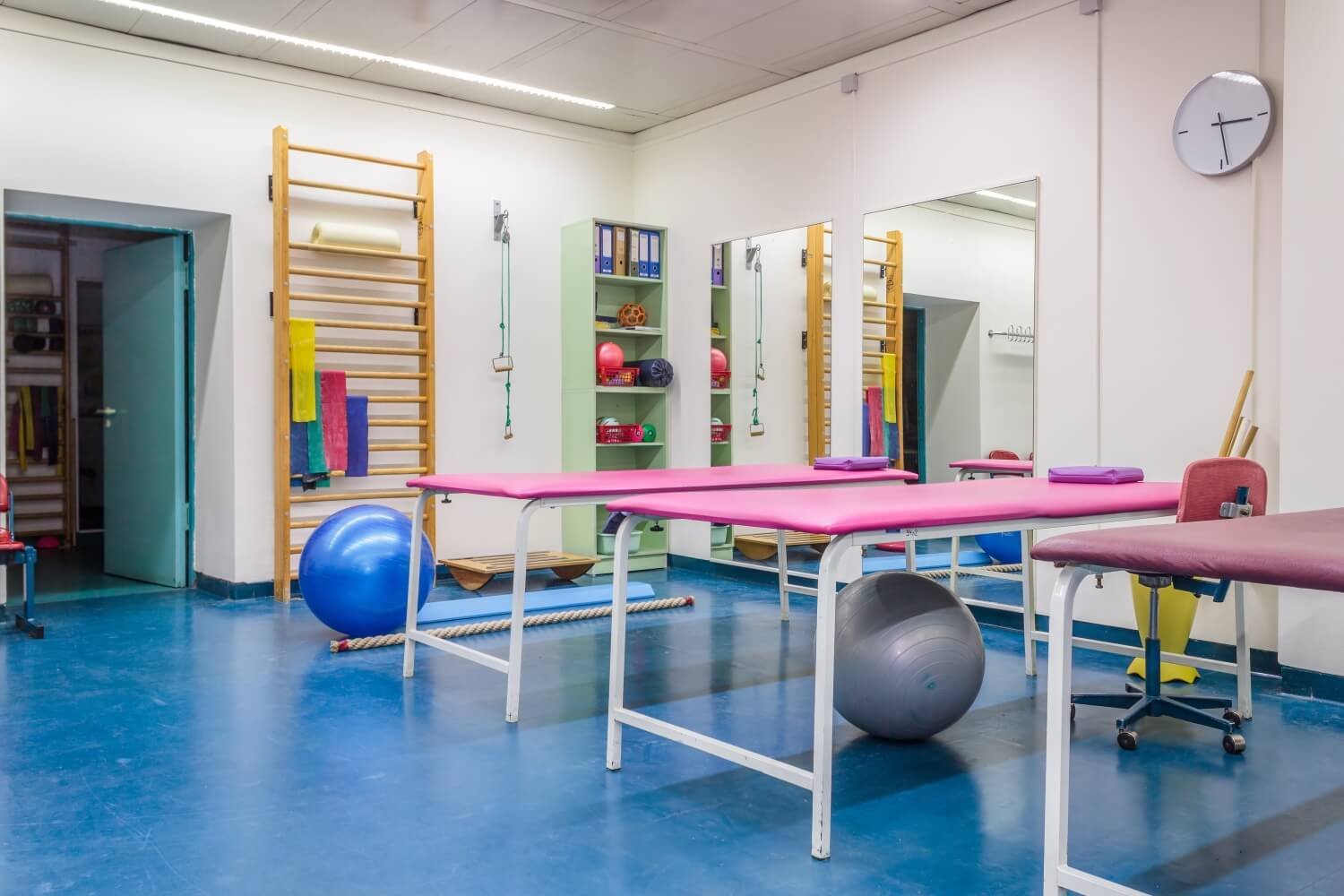
A therapist should not have to cross the room three times to finish a basic shoulder session.
That kind of wasted motion gets dismissed because it looks small in the moment. It is not small. In a busy clinic, layout problems show up as broken treatment flow, delayed transitions, clinician fatigue, and patients who sense that the session is being managed around the room rather than around them. Owners focus on scheduling, staffing, and referrals when they think about clinic performance. The physical setup of the treatment space deserves the same attention because it shapes how care is delivered every hour of the day.
Clinic setup is not an aesthetic or organizational issue. It is an operational system.
Layout Problems Turn Simple Sessions Into Fragmented Ones
Most treatment sessions rely on a predictable cluster of tools. Bands, tubing, straps, pads, steps, handles, ankle cuffs, and basic strengthening equipment are used repeatedly across diagnoses and providers. When those items are scattered, poorly duplicated, or stored without logic, clinicians spend the day adapting to the room rather than driving the session.
Take a common orthopedic visit: a patient eight weeks after rotator cuff repair, working on active motion, scapular control, and low-load strengthening. That session should move cleanly from table work to standing exercise to home program review. Instead, the therapist leaves the patient to find tubing that still feels right, locate a usable door anchor, and check whether the treatment area has the right step or towel roll. None of those interruptions looks serious by itself. Together, they break rhythm.
Patients feel that fragmentation. They do not need to understand clinic operations to know when a session feels smooth and when it feels improvised. The more often treatment is interrupted by searching, resetting, or workarounds, the less confidence the environment inspires.
Good Setup Protects Clinical Attention
Therapist efficiency is not just about moving faster. It is about protecting clinical focus for the decisions that matter.
A well-designed treatment station reduces unnecessary mental switching. The therapist is not thinking about where the cuffs are, which drawer has the loop bands, or whether the next area is stocked for gait work. That bandwidth stays available for movement quality, symptom response, load progression, and patient education.
This matters most in clinics where therapists manage overlapping demands. A clinician may be supervising a tech, progressing one patient, answering a question from another, and preparing for the next handoff simultaneously. Poor setup adds logistical friction to an already complex environment. It forces therapists to spend attention on problems the space itself should have already solved.
Owners should think about the layout the way they think about documentation templates or scheduling systems. A good system eliminates repeated decisions. A poor one keeps generating them. Physical layout works exactly the same way.
Setup Shapes the Patient Experience More Than Owners Realize
Patients notice whether a clinic feels prepared. They notice whether treatment starts promptly, whether exercises transition smoothly, and whether the therapist seems anchored in the session or managing around the room. That perception affects trust, engagement, and patients’ commitment to their plan of care.
Consider an older adult being treated for balance deficits after a recent fall. The therapist needs to establish a sense of safety and control from the first minute. If that time is spent moving equipment, clearing space, and gathering tools from different parts of the clinic, the room feels less deliberate. If the space is already arranged for the task, the patient feels that too. A prepared environment communicates competence before a single exercise begins.
What Owners Should Actually Do
Do not treat the clinic layout as a secondary issue that gets addressed after the bigger business decisions are made. It is one of the business decisions.
Watch where your therapists walk during a session. Notice what they reach for most often and how far they have to go to get it. Pay attention to where sessions stall or lose momentum. Then build treatment stations around actual clinical workflow, not around storage convenience or leftover floor space. High-use items should be within arm’s reach of where they are used. Tools that belong together in a session should be stored together. Every station should be set up so that a therapist walking in cold can run a standard session without improvising.
A well-designed clinic reduces wasted motion, protects the attention required for good clinical decisions, and makes every session feel more intentional from the patient’s point of view. In a competitive market, that consistency is not small. It is part of what keeps patients engaged, staff focused, and the practice running the way it should.